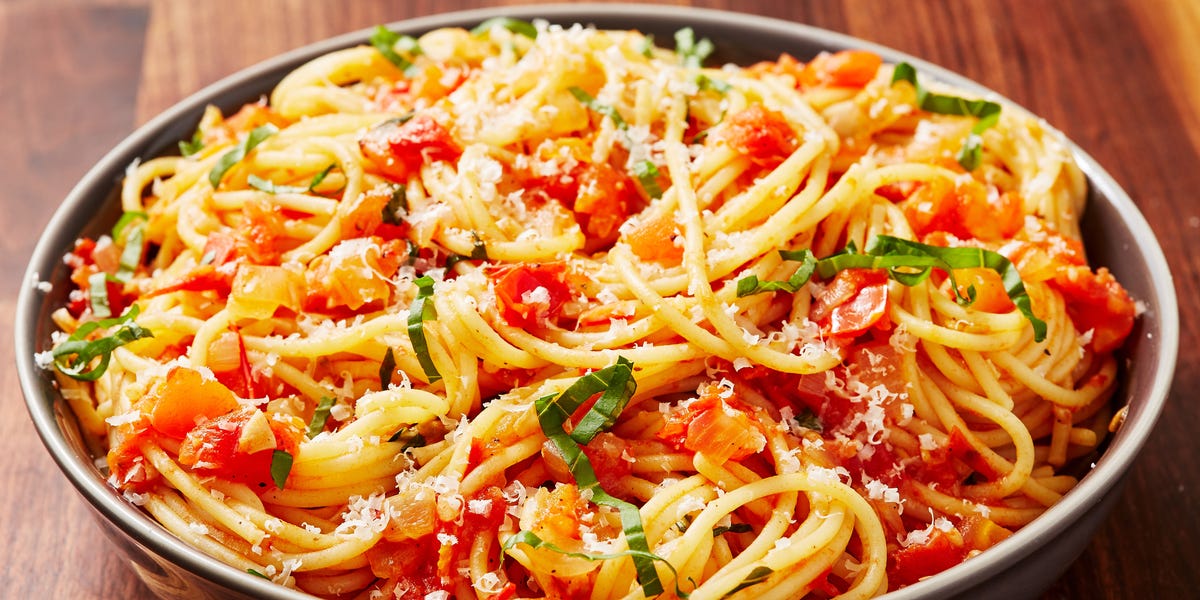
There's an undeniable magic in simplicity, especially when it comes to Italian cuisine. Few dishes embody this better than Pasta Pomodoro. More than just a meal, it's a celebration of fresh, vibrant flavors, primarily the humble tomato. "Pomodoro," meaning "tomato" in Italian, sets the stage for a dish where this star ingredient shines brightest, cooked just enough to release its sweetness and acidity, while retaining its beautiful texture. Whether you're a seasoned chef or a kitchen novice, mastering this classic pasta pomodoro recipe promises a deeply satisfying, light, and wonderfully fresh dinner, perfect for any occasion. This guide will walk you through everything you need to know, from selecting the best tomatoes to pro tips for a truly authentic experience.
The Essence of Pasta Pomodoro: Why Freshness Matters
At its heart, Pasta Pomodoro is about highlighting the natural goodness of fresh tomatoes. Unlike longer-simmered, rich marinara sauces, pomodoro aims for a lighter, brighter profile. The key is to cook the tomatoes down just enough for them to soften and release their juices, creating a delicate sauce that still features significant, rustic chunks of tomato. This technique preserves the tomato's inherent freshness, making it a perfect choice for a refreshing summer meal, though its appeal is truly year-round.
For an authentic experience, cherry tomatoes or Roma (plum) tomatoes are often recommended. Cherry tomatoes offer a burst of sweetness and cook down quickly, while Roma tomatoes provide a richer, meatier texture. When selecting your tomatoes, look for ones that are firm, brightly colored, and heavy for their size, with a sweet aroma. While summer offers the peak of tomato season, good quality cherry tomatoes are often available year-round, allowing you to indulge in this delightful dish whenever the craving strikes.
Crafting the Perfect Sauce: Ingredients & Techniques
Core Ingredients for an Authentic Taste
The beauty of a classic pasta pomodoro recipe lies in its minimal, high-quality ingredients. Beyond the star tomatoes, you'll need:
- Good Quality Olive Oil: The foundation of flavor. Choose an extra virgin olive oil for its rich, fruity notes.
- Garlic: Minced garlic provides an aromatic backbone. Don't be shy; typically 3-4 cloves will do the trick.
- Fresh Basil: Essential for that characteristic Italian fragrance. For maximum flavor with minimal effort, whole basil sprigs simmered with the sauce infuse a deeper essence. You can always add freshly chopped basil at the end for brightness.
- White Wine: A splash of dry white wine (like Sauvignon Blanc or Pinot Grigio) adds a layer of complexity and helps deglaze the pan, picking up all those flavorful bits.
- Optional Aromatic Boosts: Some recipes incorporate a finely chopped onion for added sweetness and depth, or a touch of balsamic vinegar to balance the acidity of the tomatoes and add a hint of sweetness. A low-sodium chicken broth can also enhance the sauce's body and flavor without overpowering the tomatoes.
- Seasoning: Simple salt, freshly ground black pepper, and a pinch of crushed red pepper flakes (if you like a little heat) are all you need.
The Art of Simmering: Bringing Flavors Together
The cooking process for your pomodoro sauce is straightforward yet crucial. Start by heating olive oil in a large skillet over medium-high heat. Sauté your chopped onions (if using) until softened, then add the minced garlic, cooking until fragrant – be careful not to burn it! This step builds your flavor base. Next, add your diced fresh tomatoes, along with white wine, chicken broth (if using), and those aromatic whole basil sprigs. Reduce the heat to medium-low and let it gently simmer for about 8-10 minutes. The goal is to allow the tomatoes to break down slightly and release their juices, creating a light sauce, but still keeping distinct chunks of tomato intact for texture. Season with salt, black pepper, and crushed red pepper to taste.
The Magic of Pasta Water
This is arguably one of the most important pro tips for any pasta dish. As your pasta cooks, the water becomes starchy. This starchy liquid is pure gold for your sauce! Saving about a cup of your pasta water before draining is paramount. When you combine your cooked pasta with the sauce, adding a splash or two of this starchy water helps to emulsify the sauce, thickening it slightly and allowing it to cling beautifully to every strand of pasta. It also adds a subtle salty flavor, enhancing the overall dish. For more quick tips on making fresh tomato sauces, check out our guide on Master Easy Pasta Pomodoro: Fresh Tomatoes in 25 Minutes.
Fresh vs. Canned: A Pomodoro for Every Season
Embracing Fresh Tomatoes
As discussed, fresh tomatoes are the traditional and often preferred choice for pasta pomodoro, especially during peak season. They impart a bright, vibrant, and almost sweet-tart flavor that is undeniably refreshing. When you use fresh tomatoes, the sauce truly tastes like "summer in a bowl," even if you're making it in colder months.
The Canned Tomato Advantage
While fresh is fantastic, don't underestimate the power of high-quality canned tomatoes, particularly when fresh options are out of season or less flavorful. Canned tomatoes offer a deep, consistent umami flavor that can create a wonderfully rustic and flavorful sauce. For this pasta pomodoro recipe, we highly recommend using whole, peeled canned tomatoes. They tend to be sweeter and less processed than diced or crushed varieties. You can easily crush them by hand as you add them to the pan, creating that desired chunky texture. This makes pasta pomodoro an incredibly versatile dish you can enjoy year-round, regardless of what's available at your local market.
Pasta Pairings & Customizations: Making it Your Own
Choosing Your Pasta Shape
The right pasta shape can significantly enhance your pomodoro experience. For a sauce with delightful chunks of tomato, long pasta shapes are ideal as they allow the sauce to cling beautifully. Consider:
- Bucatini: A thick, hollow spaghetti that captures sauce in its center.
- Linguine: A flat, slightly wider spaghetti perfect for rich sauces.
- Tagliatelle: A broad, flat egg pasta that's wonderfully tender.
- Pappardelle: Even wider than tagliatelle, offering a luxurious texture.
- Angel Hair Pasta: A delicate choice that cooks quickly and feels light.
While you can certainly use shorter pasta shapes, be aware that the chunky sauce may not coat them as effectively.
Elevating Your Pomodoro with Add-ins
One of the joys of a simple pasta pomodoro recipe is its adaptability. It serves as a fantastic base for various additions, allowing you to bulk up the dish or introduce new flavor dimensions. For more ideas on how to customize your meal, explore our guide: Simple Pasta Pomodoro: Your Go-To Light Meal with Custom Add-ins.
- Protein Power-Ups:
- Cooked Chicken Breast: Sliced or shredded chicken breast adds lean protein.
- Shrimp: Quickly cooked shrimp makes for an elegant seafood twist.
- Crunchy Chickpeas: Roasted chickpeas offer a delightful textural contrast and plant-based protein.
- Flavorful Vegetables & Accents:
- Fresh Spinach: Stir in a handful of chopped fresh spinach along with your cooked pasta; its residual heat will wilt it perfectly.
- Chopped Olives: Kalamata or Castelvetrano olives can add a briny, salty punch.
- Marinated Artichoke Hearts: Drained and chopped, these provide a tangy, tender bite.
- Roasted Bell Peppers: Drained and chopped roasted bell peppers lend a smoky sweetness.
- Finishing Touches:
- Grated Parmesan Cheese: A generous "mountain of grated Parmesan" is a non-negotiable for many, adding a salty, nutty finish.
- Fresh Basil: A final sprinkle of freshly chopped basil just before serving amplifies the aroma and adds a pop of color.
Pro Tips for Pasta Perfection
- Salt Your Pasta Water: Always salt your pasta water generously – it should taste like the sea. This is the only chance you have to season the pasta itself from the inside out.
- Cook Pasta Al Dente: Follow package directions and cook your pasta until it's al dente, meaning "to the tooth" – tender but still with a slight bite. It will finish cooking in the sauce.
- Transfer Pasta Directly: Don't bother with a colander! Use tongs to transfer the cooked pasta directly from the pot into your simmering sauce. The little bit of clinging pasta water will further aid in creating a silky, cohesive sauce.
- Finish in the Sauce: Allow the pasta to simmer with the sauce for 1-2 minutes. This crucial step allows the pasta to absorb the flavors of the sauce, making every bite more delicious.
- Taste and Adjust: Always taste your sauce before combining with pasta and again after. Adjust salt, pepper, or a pinch of sugar if your tomatoes are too acidic.
The beauty of Pasta Pomodoro lies in its honest, straightforward approach to cooking. It proves that extraordinary flavor doesn't require complex techniques or a lengthy ingredient list. By focusing on fresh, quality ingredients and a few simple, smart techniques, you can create a truly memorable meal. Whether you opt for vibrant summer tomatoes or the robust sweetness of canned varieties, this versatile pasta pomodoro recipe is your go-to for a light, fresh, and deeply satisfying dish that celebrates the timeless appeal of Italian cooking. So, gather your ingredients, fire up the stove, and prepare to be delighted by this classic culinary masterpiece.
