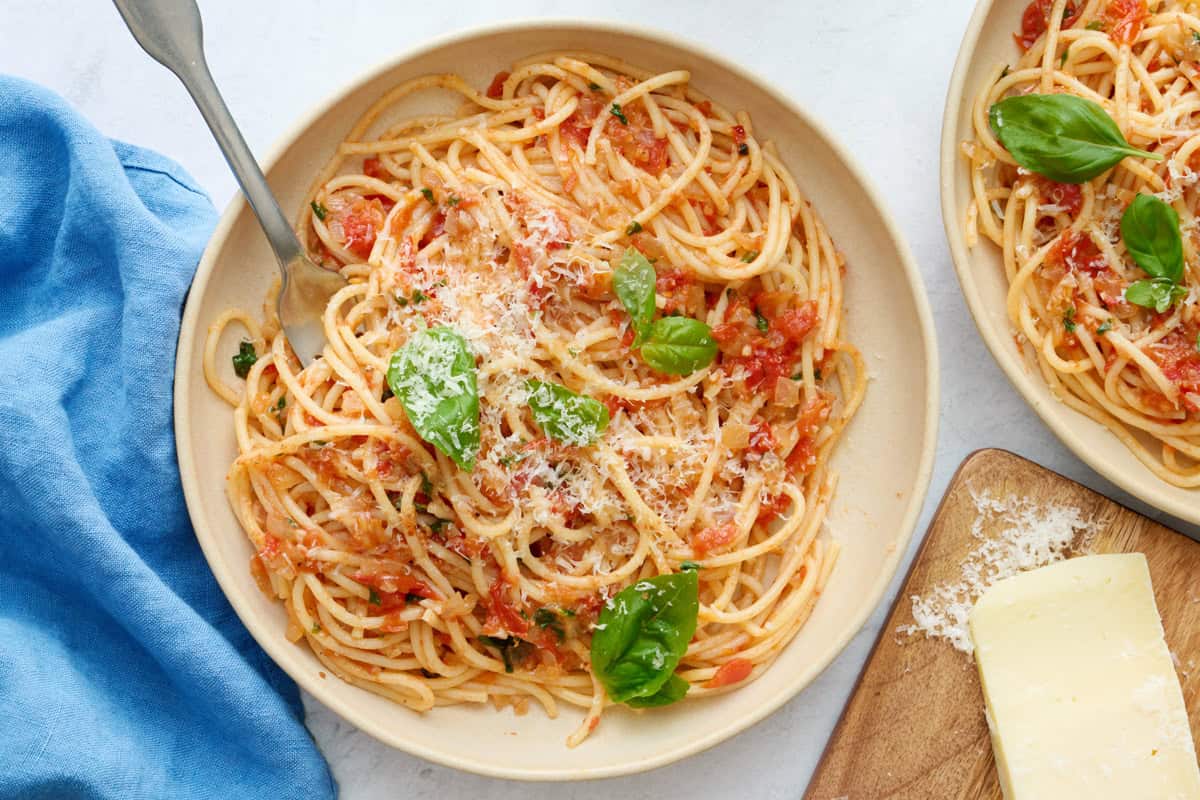
Simple Pasta Pomodoro: Your Go-To Light Meal with Custom Add-ins
When it comes to culinary classics that truly deliver on taste without demanding hours in the kitchen, few dishes rival the elegance and simplicity of Pasta Pomodoro. Far more than just pasta with tomato sauce, this iconic Italian dish embodies fresh flavors, ease of preparation, and remarkable versatility. It's the ultimate answer for a satisfying yet light meal, perfect for a balmy summer evening but equally comforting on a chilly weeknight. If you’re searching for a reliable, delicious, and customizable
pasta pomodoro recipe, you’ve come to the right place.
The Essence of Pasta Pomodoro: Fresh Flavors, Simple Ingredients
At its heart, "Pomodoro" means "tomato" in Italian, making fresh, ripe tomatoes the undisputed star of this beloved dish. Unlike heavier, slow-cooked ragus, Pasta Pomodoro celebrates the bright, vibrant essence of the tomato, cooking it down just enough to create a light yet luscious sauce. The beauty lies in its simplicity: a few quality ingredients combine to create an extraordinary flavor profile.
Imagine tender pasta coated in a sauce where significant chunks of sweet tomato still provide texture, infused with aromatic garlic and fresh basil. This isn't a long-simmered, complex affair; rather, it’s a quick sauté and gentle simmer that allows the natural sweetness and acidity of the tomatoes to shine through. The result is a truly fresh and invigorating meal that feels gourmet despite its minimal effort. It’s the kind of dish that begs to be enjoyed al fresco, with a glass of wine, but is equally at home brightening up your dinner table any time of year.
Crafting Your Perfect Pasta Pomodoro Recipe: The Core Steps
Creating a stellar Pasta Pomodoro is less about following a rigid formula and more about understanding the interplay of its core components. Here’s a breakdown of the fundamental steps, allowing you to build a dish tailored to your taste.
The Foundation: Pasta Perfection
Start by bringing a large pot of lightly salted water to a rolling boil. The salt is crucial for seasoning the pasta from within. While the water heats, prepare your sauce ingredients. Once boiling, add your chosen pasta shape (more on that below) and cook until al dente – that perfect bite that offers a slight resistance without being undercooked.
Crucially, don't drain all the pasta water! Save at least a cup; this starchy, flavorful liquid is your secret weapon for a perfectly emulsified sauce. In fact, transferring the cooked pasta directly from the pot to the skillet with the sauce means you don’t need a colander, and any clinging water further aids in thickening.
Building the Bright Sauce
While your pasta cooks, begin the sauce. In a large, deep skillet or Dutch oven, heat a generous pour of good quality olive oil over medium-high heat. Sauté aromatics like finely chopped onion or minced garlic until softened and fragrant. Be careful not to burn the garlic, as this can introduce bitterness.
Next, it’s time for the tomatoes. Whether you’re using fresh cherry tomatoes, diced Roma tomatoes, or high-quality canned whole peeled tomatoes (a fantastic year-round option), add them to the pan. This is also where you might introduce a splash of white wine, a touch of balsamic vinegar for depth, or a low-sodium chicken broth to build flavor. For an easy herb infusion, toss in whole basil sprigs – they’ll release their fragrant oils as they simmer, and you can easily remove them before serving, no chopping required! Reduce the heat to medium and let the sauce gently simmer for about 8-10 minutes. The goal is for the tomatoes to break down just enough to form a light sauce, while still retaining their beautiful chunky texture. Season with a pinch of red pepper flakes for a subtle kick and freshly ground black pepper.
Bringing It All Together
Once the sauce has simmered and the pasta is al dente, it’s time for the magic. Using tongs, transfer the cooked pasta directly into the skillet with your simmering tomato sauce. Add a splash of that reserved pasta water – the starches in the water help to thicken the sauce, allowing it to cling beautifully to every strand of pasta. Toss everything thoroughly, ensuring the pasta is evenly coated and heated through. Stir in some fresh chopped basil at this stage for a burst of vibrant green flavor.
Serve immediately, piled high and generously topped with a "mountain of grated Parmesan cheese," as many enthusiasts prefer. A final drizzle of extra virgin olive oil and another grind of black pepper can elevate the experience even further.
Choosing Your Tomatoes: Fresh vs. Canned
While classic Pomodoro ideally features the ripest summer tomatoes, you don't have to wait for peak season to enjoy this dish.
*
Fresh Tomatoes: Cherry tomatoes are an excellent choice year-round as their sweetness and firm texture hold up well. Roma (plum) tomatoes are also fantastic when in season, offering a good balance of flesh and juice.
*
Canned Tomatoes: Don't underestimate the power of high-quality canned tomatoes. Whole, peeled tomatoes are often sweeter and create a more rustic, flavorful sauce, especially when fresh tomatoes are out of season. Crushing them by hand before adding them to the pan gives a wonderful texture.
For a deeper dive into selecting the perfect tomatoes and mastering the sauce, explore our detailed guide.
Pasta Power: Selecting the Right Shape
The shape of your pasta matters, particularly for a chunky, light sauce like Pomodoro. Long pasta shapes are generally preferred:
*
Bucatini: A thick spaghetti with a hole through the center, perfect for absorbing sauce.
*
Linguine: Flat and slightly wider than spaghetti, ideal for catching chunks of tomato.
*
Tagliatelle & Pappardelle: Wider, flat egg pastas that provide a substantial bite and excellent sauce-coating ability.
While you can certainly use shorter pasta shapes, the chunky sauce might not coat them as thoroughly, so long pastas are often the top recommendation for an authentic experience.
Elevate Your Meal: Custom Add-ins and Variations
The true beauty of a simple
pasta pomodoro recipe lies in its adaptability. While it’s perfect as is, it also serves as an incredible canvas for a variety of delicious add-ins, transforming it from a light side dish into a robust main course.
*
Protein Power-Ups:
*
Cooked Chicken Breast: Sliced or shredded cooked chicken breast stirred into the sauce adds lean protein without overpowering the fresh flavors.
*
Shrimp: Quickly sautéed shrimp can be added directly to the sauce just before combining with pasta for a seafood twist.
*
Crunchy Chickpeas: For a vegetarian protein boost and textural contrast, roast chickpeas until crispy and toss them in at the end.
*
Flavor Enhancers (Low-Effort):
*
Chopped Olives: Briny olives add a punch of salty, savory flavor. Kalamata or Castelvetrano olives work wonderfully.
*
Marinated Artichoke Hearts: Drained and chopped, these bring a lovely tang and tender texture.
*
Roasted Bell Peppers: Pre-roasted, drained, and chopped bell peppers add sweetness and a smoky depth.
*
Fresh Greens:
*
Fresh Spinach: Stir a handful of fresh spinach into the sauce along with the cooked pasta. The residual heat will wilt it perfectly, adding extra nutrients and a lovely green hue.
*
Other Ideas:
* A squeeze of fresh lemon juice at the end can brighten all the flavors.
* A pinch of sugar can help balance the acidity of the tomatoes if they're particularly tart.
* For an extra layer of decadence, stir in a dollop of mascarpone cheese or a pat of butter right before serving.
Pro Tips for a Restaurant-Quality Pasta Pomodoro
Achieving that restaurant-quality finish for your
pasta pomodoro recipe is easier than you think with these expert tips:
1.
Quality Ingredients Matter: With so few components, the quality of each ingredient truly shines. Invest in good olive oil, fresh garlic, and the best tomatoes you can find (or the highest quality canned ones).
2.
Don't Overcook Your Pasta: Always cook to al dente. Pasta that is too soft will become mushy when tossed with the sauce.
3.
Always Save Pasta Water: This cannot be stressed enough. It’s the magic ingredient that creates a cohesive, emulsified sauce that perfectly coats your pasta.
4.
Taste and Adjust: Seasoning is key. Taste your sauce as it simmers and adjust salt, pepper, and red pepper flakes as needed. A final drizzle of good extra virgin olive oil over the finished dish adds gloss and enhances flavor.
5.
Fresh Basil is Non-Negotiable: While dried herbs have their place, fresh basil is essential for the authentic taste of Pasta Pomodoro. Add some during simmering and more fresh, chopped basil at the very end.
For an express version focusing on speed and fresh tomatoes, check out our guide to mastering easy pasta pomodoro in just 25 minutes!
Conclusion
The simple Pasta Pomodoro is a testament to the idea that some of the best meals are born from the freshest ingredients and straightforward techniques. It's a light, flavorful, and incredibly satisfying dish that can be on your table in under 30 minutes. Whether you adhere to its classic minimalist form or choose to personalize it with a myriad of delicious add-ins, this
pasta pomodoro recipe is destined to become a beloved staple in your culinary repertoire. Embrace its simplicity, savor its fresh flavors, and enjoy the endless possibilities it offers as your go-to light meal.